
COUPLES THERAPY IN CULVER CITY, CA
You're starting to wonder if your relationship can ever get back to how it used to feel, or if it's even worth saving anymore.
Work through conflict, distance, and trust with a licensed clinical psychologist who won't take sides, in person or online anywhere in California.


THERAPY FOR COUPLES
Instead of handing you communication scripts, I help you both understand why the same argument keeps happening.
The partner who's exhausted from initiating everything and the partner who's tired of feeling like the problem usually want the same thing, which is to stop having the same fight and feel close again.
In session, I let each of you talk without being interrupted, and when I say something, it's because I think it will help you see the pattern more clearly. We look at where your reactions to each other started and what's been keeping them going, including what each of you brought from your own family and past relationships.
As that becomes clearer, you both start to understand what the other person has been reacting to, and the arguments that used to go the same way every time start to go differently.

WHAT YOU MIGHT BE EXPERIENCING
Lately it's hard to have a conversation with your partner that doesn't turn into the same fight.
Getting home after a long day and bracing for whatever tension is waiting instead of looking forward to seeing each other
Rehearsing what you'll say before bringing something up, because you already know how it's going to land
Feeling more like roommates than partners and not being able to remember the last time you really talked
Being together for years and still not being able to agree on moving in, getting engaged, or having kids
Snapping at each other over small things, apologizing, and then doing it again a week later
Having tried couples counseling before and leaving with one of you feeling like the problem that needed fixing
WHAT COUPLES THERAPY CAN CHANGE
As you both understand what's been driving the fights, being together can start to feel easier again.
In your relationship, you might start to notice:
Catching an argument about a missed text before it turns into a fight about whether you still care about each other
Bringing up something hard without rehearsing it first, because you trust it won't end in the same place it always does
The partner who usually pulls away staying in the conversation longer, and the partner who usually pushes feeling heard sooner
Looking forward to coming home at the end of the day instead of bracing for whatever mood is waiting
Talking about moving in, getting married, or having kids without either of you getting defensive
Feeling like partners again and not only two people splitting the chores and the bills
You'll still disagree sometimes, and those disagreements can finally end with both of you feeling understood.
How it works
Free 15 Min Call
Tell me a little about what's been going on, and ask me anything you'd like to know about how I work.
The first few sessions
These are evaluative for both of us, so as I get to know you, you're deciding whether I'm a good fit.
Ongoing sessions
We meet once or twice a week in person or by video, and I'm glad to take calls and emails in between.
Sessions are 50 minutes and $250. I'm out of network and can provide a monthly superbill for possible partial reimbursement, depending on your plan.
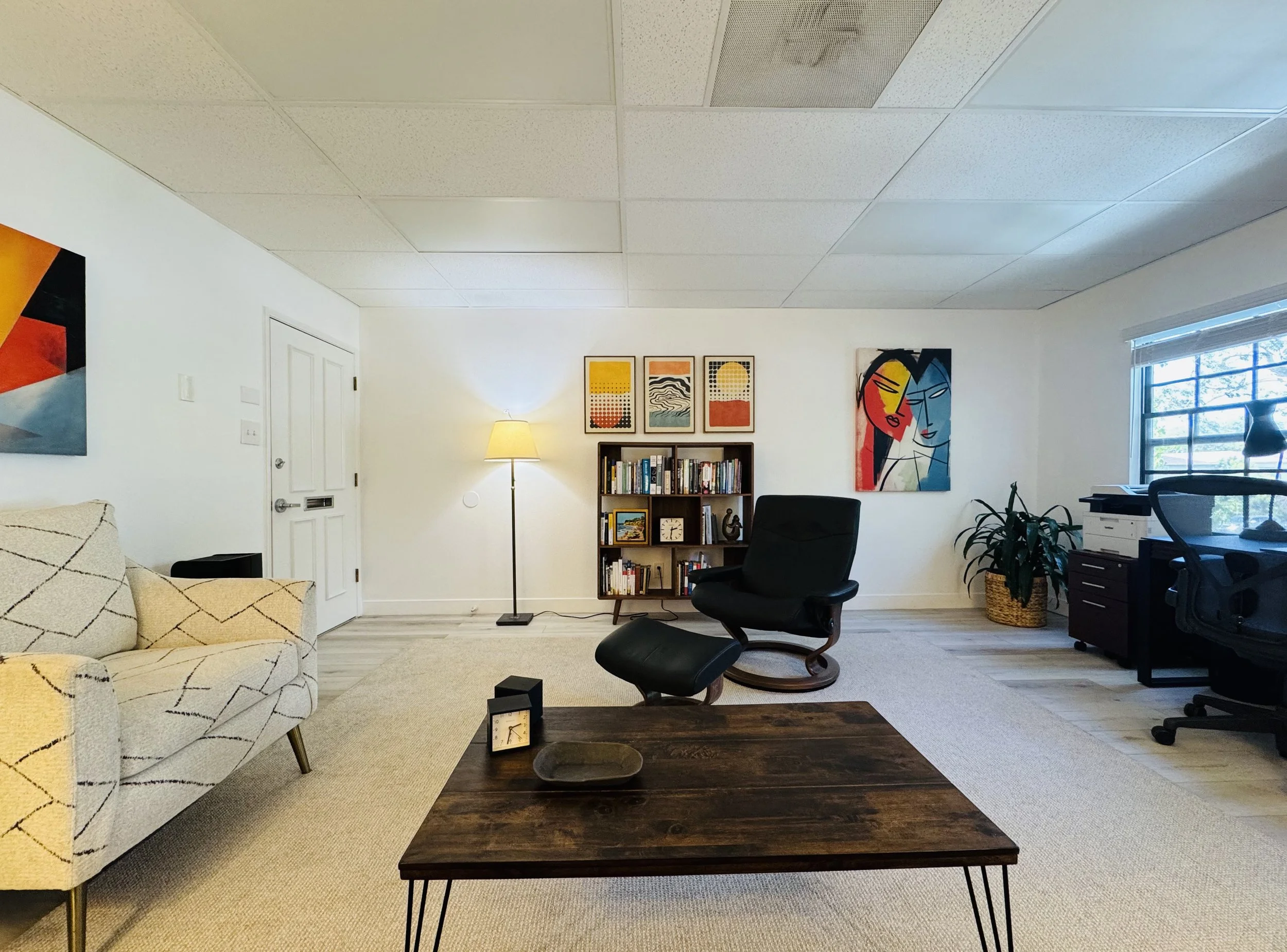
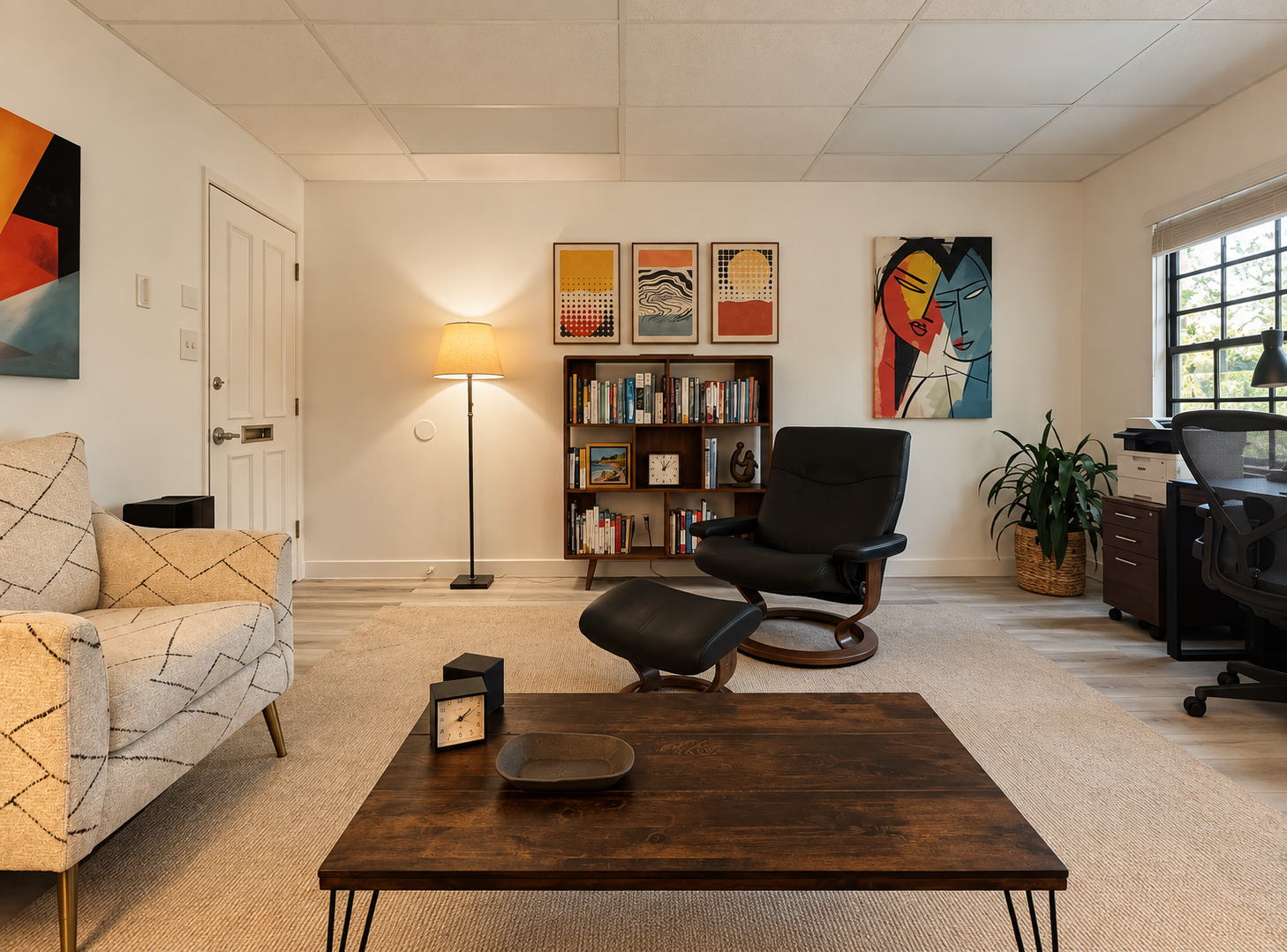
11600 Washington Place, Suite 202E, Culver City, and online anywhere in California

Frequently Asked Questions
What many couples ask before starting therapy
-
You may need couples therapy if the same argument keeps coming back no matter how many times you talk it through, or if one of you has started shutting down to avoid another fight. Some couples come in after something specific, like a breach of trust or a decision they can't agree on, while others come in because they feel more like roommates than partners and can't explain why. You don't need to be on the edge of breaking up to start. I see couples at my Culver City office and by telehealth across California, and a free 15 minute consultation is an easy way to find out whether working together makes sense.
-
If your partner doesn't want to go to couples therapy, it often helps to invite them to a free consultation first, so they can ask questions and decide for themselves instead of feeling pushed into it. A lot of reluctant partners worry they'll walk in and be told everything is their fault. I don't take sides, and the first few sessions are evaluative, so both of you get to decide whether working with me feels right. If your partner still isn't ready, individual therapy can be a place to start understanding your side of the pattern in the meantime.
-
A good couples therapist doesn't take sides, because the goal is helping both of you understand the pattern you keep falling into rather than deciding who's right. Many people come to me after couples counseling where one partner left feeling like the problem that needed fixing, and that experience makes it hard to try again. In our sessions, I listen to both of you, point out what I'm noticing in how you respond to each other, and sometimes say something hard to either of you. The work goes best when both of you feel respected in the room.
-
In the first couples therapy session, each of you shares what's been going on and what made you decide to reach out now, and I ask questions to understand how you each see the relationship. It's common for partners to describe the same argument in completely different ways, and hearing both versions is where the work starts. We also talk about your history as a couple and whether either of you has been in therapy before, including what helped and what didn't. The first few sessions are evaluative, so you're deciding whether I'm the right fit while I'm learning how I can help.
-
Couples therapy is often most useful when you keep having the same fight, because a repeating argument usually has a pattern underneath it that neither of you can see from inside it. The fight about dishes or plans or texts back is often connected to something bigger, like one of you feeling ignored while the other feels constantly criticized. In therapy, we figure out what's underneath that pattern, where it started, and what's been keeping it going. Once you both understand it, you can respond to each other differently, and the conversation can finally go somewhere new.
Still have questions?
The first call is where I hear what’s been going on, and you get to ask me anything.
I’ll ask what brought you to reach out and whether you’ve been in therapy before, including what worked and what didn’t. You can ask me how I work, what sessions look like, or anything else you’d want to know before deciding. If I don’t think I’m the right person to help, I’m happy to point you toward someone who might be.
Take your time to think things through. There’s no rush, and if any questions come up later on, don’t hesitate to reach out.